
Things Your First Travel Assignment Will Teach You: You Probably Don’t Need to Pack THAT!
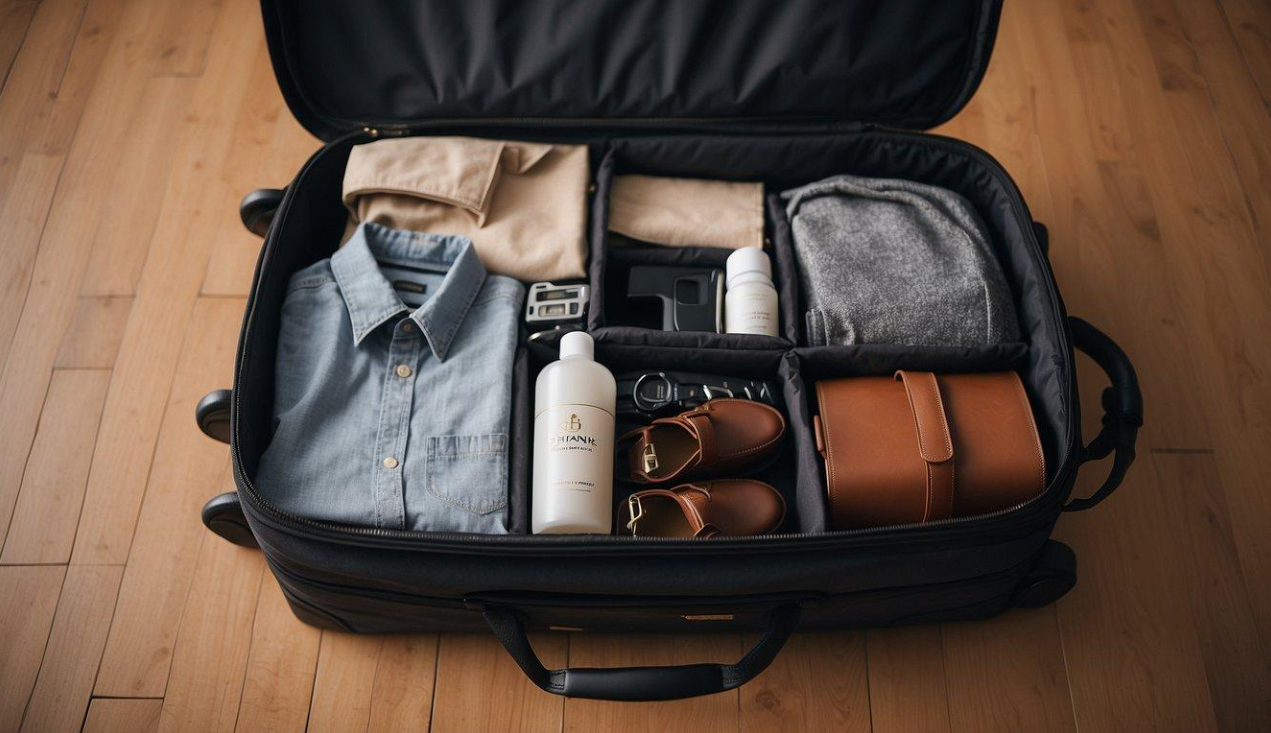
You Probably Don’t Need to Pack THAT!
You’ve accepted your first travel healthcare assignment, signed your contract, and started counting down the days until your next adventure. Now comes the part that sounds easy in theory but can quickly become overwhelming: packing.
Suddenly, everything you own feels essential.
What if you need that extra pair of shoes? What about your favorite coffee mug? Should you bring your entire collection of sweatshirts? And surely you’ll need that kitchen gadget you haven’t used in six months… right?
Before you know it, your suitcase is overflowing, your car is packed to the ceiling, and you’re wondering how you’re going to fit your actual necessities.
Here’s something experienced healthcare travelers know that first-timers usually learn the hard way: You probably don’t need to pack THAT much.
Your first assignment will teach you a lot about living away from home, including how little you actually need to feel comfortable.
1. You Don’t Need Your Entire Closet
When you’re packing for a 13-week assignment, it’s tempting to prepare for every possible occasion.
Work clothes? Obviously. Weekend outfits? Of course. Something dressy? Better bring three options. What if the weather changes? Add another jacket.
But here’s the reality: You’ll probably find yourself reaching for the same favorite outfits week after week.
Instead of packing your entire wardrobe, focus on versatile pieces you can mix and match.
What to prioritize:
- Enough scrubs or work attire to comfortably get through your laundry routine
- Comfortable clothes for relaxing after shifts
- A few casual outfits for exploring your new city
- Weather-appropriate layers
- Comfortable shoes for work and days off
- One or two outfits for special occasions
Remember, you’re moving temporarily, not permanently. And unless you’re headed somewhere with extreme weather, you probably don’t need six different jackets.
Travel Tip: Pack for about 7–10 days of everyday clothing, adjusting for your laundry access, work schedule, and destination climate.
2. Check What’s Already Waiting for You
One of the easiest ways to overpack is to assume you’ll need to bring everything from home.
If you’re staying in a furnished rental, you may already have access to many everyday essentials.
Before loading your car with kitchen supplies, towels, bedding, and small appliances, reach out to your housing provider and ask what’s included.
Find out whether your rental has:
- Pots, pans, dishes, and utensils
- A coffee maker or other small appliances
- Towels, sheets, and pillows
- A vacuum and basic cleaning supplies
- A washer and dryer
- An iron or ironing board
There’s no reason to haul a full set of dishes across the country if your rental already has everything you need.
And if something is missing? Chances are you can pick it up once you arrive.
Travel Tip: Ask for a detailed inventory or recent photos of your furnished rental before you start packing.
3. You Can Buy Things When You Get There
This might be one of the biggest lessons your first travel assignment teaches you.
You don’t have to bring everything with you.
Shampoo, laundry detergent, paper towels, cleaning products, and other everyday supplies are generally easy to purchase after you arrive.
Instead of packing three months’ worth of toiletries, bring enough to get through your first few days.
Then, once you’re settled, make a quick shopping trip to pick up anything else you need.
Not only does this save valuable packing space, but it also gives you an opportunity to explore your new neighborhood and find the stores you’ll use throughout your assignment.
Of course, there are exceptions. Prescription medications, specialty products, important documents, and items that may be difficult to replace should always be prioritized.
The takeaway? If it’s inexpensive, easy to find, and available at your destination, you probably don’t need to pack a 13-week supply.
4. Pack for Your Lifestyle, Not Every Possible Scenario
It’s easy to imagine all the things you’re going to do in your new city.
Maybe you’ll go hiking every weekend, become a regular at the local gym, try every restaurant in town, and finally pick up that hobby you’ve been thinking about.
And while travel assignments are a great opportunity to try new things, you don’t need to bring equipment for every activity you might do.
Instead, think about what you already enjoy and what your destination realistically offers.
If you’re headed somewhere known for hiking and you love the outdoors, bringing your hiking boots makes sense.
If you haven’t touched your tennis racket in two years, maybe it can stay home.
Be intentional about what you bring, and remember that you can always rent, borrow, or purchase certain items if you decide to try something new.
5. A Few Comforts From Home Go a Long Way
Packing light doesn’t mean leaving behind everything that makes you feel at home.
In fact, a few personal touches can make a big difference when you’re settling into an unfamiliar place.
Maybe it’s your favorite blanket, a framed photo of your family, your go-to coffee mug, or a small item that reminds you of home.
These little comforts can help turn a temporary rental into a space that feels like yours.
The trick is finding the balance between bringing meaningful items and packing things simply because you’re worried you might miss them.
Travel Tip: Choose a few small comfort items that make you happy without taking up too much room.
6. Don’t Forget the Things You Actually NEED
While we’re encouraging you to pack less, there are some things you definitely don’t want to leave behind.
Before heading out, make sure you have your important documents and professional essentials organized.
Your packing checklist should include:
Work Essentials
- Required professional licenses and certifications
- Identification and employment documentation
- Scrubs or facility-approved work attire
- Comfortable work shoes
- Any specialty-specific equipment your facility requires
Personal Essentials
- Prescription medications and necessary health supplies
- Phone, chargers, and electronics
- Important personal documents
- Everyday clothing and toiletries
- Glasses, contacts, or other daily necessities
Travel Essentials
- Housing confirmation and contact information
- Facility address and first-day instructions
- Emergency contact information
- Vehicle registration and insurance information if driving
- A small bag with essentials for your first 24–48 hours
Before traveling, confirm with your recruiter or facility which documents and work-related items you’ll need on arrival.
Bonus Tip: Keep important documents, medications, valuables, and your first-day essentials somewhere easily accessible instead of buried at the bottom of a suitcase.
7. Your Second Assignment Will Be a Whole Different Packing Experience
Here’s the funny thing about your first travel assignment: You’ll probably come home with a pretty good idea of what you didn’t need.
That extra pair of shoes you never wore? Staying home next time.
The kitchen appliance that never made it out of the box? Not coming along.
The pile of clothes that lived in the bottom of your suitcase for 13 weeks? Lesson learned.
By the time you’re preparing for assignment number two, you’ll likely have a much better understanding of what makes life on the road comfortable.
You’ll know which items you use every day, which comforts are worth the space, and which things are easier to purchase when you arrive.
You might even find yourself wondering why you packed so much in the first place.
And that’s part of the beauty of travel healthcare. Every assignment teaches you something new, both professionally and personally.
8. You’ll Be Surprised How Quickly Somewhere New Can Feel Like Home
One of the biggest surprises of your first travel assignment might have nothing to do with what you packed.
It’s how quickly you can settle into a new routine.
The unfamiliar grocery store becomes your regular stop. You discover your favorite coffee shop. You learn the quickest route to work, find places you love to explore, and start building connections with the people around you.
Before long, the city that once felt completely unfamiliar starts to feel a little more like home.
And you’ll realize that feeling comfortable in a new place has a lot less to do with how much stuff you brought and a lot more to do with the experiences you’re creating.
You don’t need everything from home to make somewhere new feel like yours.
Sometimes, all you need is a little time, an open mind, and a willingness to embrace the adventure.
The Biggest Packing Lesson? Less Really Can Be More.
Your first travel healthcare assignment is full of firsts, and figuring out what to pack is just one of them.
Will you probably overpack a little? Maybe.
Will you discover that half the things you thought were essential never even left your suitcase? There’s a good chance.
But that’s okay. Every new experience comes with a learning curve.
The goal isn’t to pack perfectly. It’s to bring what you need, leave room for new experiences, and remember that you can figure out the little things along the way.
Pack the essentials. Bring a few comforts from home. Leave room for the adventure.
Because the best things you’ll take away from your first travel assignment probably won’t fit in a suitcase anyway.
Your Next Adventure Starts with CrossMed
At CrossMed Healthcare, we know that preparing for your first travel assignment comes with a lot of questions.
From choosing the right opportunity to getting ready for your first day, our team is here to help you feel supported every step of the way.
Whether you’re packing for your very first assignment or you’ve already mastered the art of traveling light, we’re ready to help you find what’s next.
Ready to pack your bags and see where travel healthcare can take you?
Related Articles


